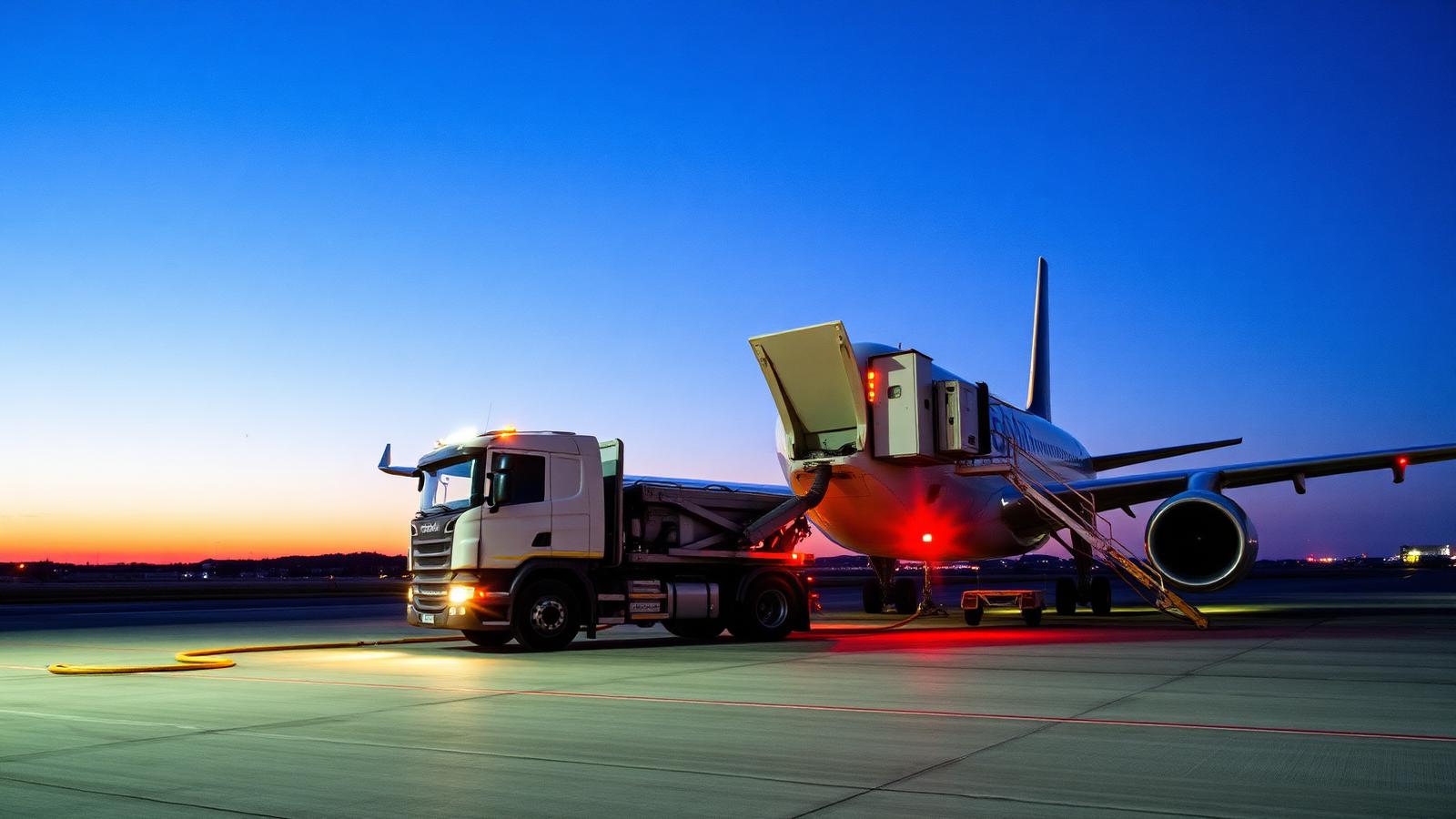
Malta-headquartered commodity trading house Alkagesta has been profiled by The National in a report on how a Cold War-era pipeline network is helping keep European aircraft fuelled through the disruption caused by the closure of the Strait of Hormuz. The company joined a select group of traders granted access to NATO's Central European Pipeline System (CEPS) only days before the Iran war broke out.
The 5,000km CEPS network links airfields, refineries, depots and ports across Europe. Built in the 1950s to supply NATO forces, it now moves mostly jet fuel to both military and commercial transport hubs. For a trading house whose physical products book is set out in what Alkagesta does, pipeline access converted a logistics constraint into a route to end customers.
Following co-ordinated US-Israeli strikes on Iran on 28 February and Tehran's retaliation, shipping through the Strait of Hormuz, which carries around a fifth of the world's oil, came to a halt. Gulf jet fuel exports fell by roughly 80 per cent in March as part of wider disruption that removed more than 10 million barrels per day from global supply, a picture the company tracked in its July Hormuz blockade fuel oil outlook.
Asad Huseynov, Alkagesta's managing director of investments and assets, told The National that the crisis had been turned into opportunity. Speaking on the sidelines of the S&P Global Energy Middle East Petroleum and Gas Conference in London, he described an airline approaching the company after its existing supplier ran short of jet fuel — a barrel the trader was able to source at the volume required.
Huseynov said Alkagesta now holds contracts with two holiday airline companies, which he declined to name. The firm was previously a cargo trader moving products between counterparties rather than selling directly into the market; the shift to airline supply followed the outbreak of the Iran conflict, and sits alongside the middle-distillate exposure described in its European gasoil market outlook.
Access to the pipeline required a lengthy application and a detailed business plan, Huseynov said, with only a limited number of new customers admitted each year. Applicants must justify entry volumes at each injection point and explain which airports the barrels are destined for. The company buys jet fuel from north-west European refinery suppliers including Exxon, Vitol and Petroineos, relationships it has held for many years — the same counterparty discipline behind its participation in the Platts EMEA naphtha Market on Close process.
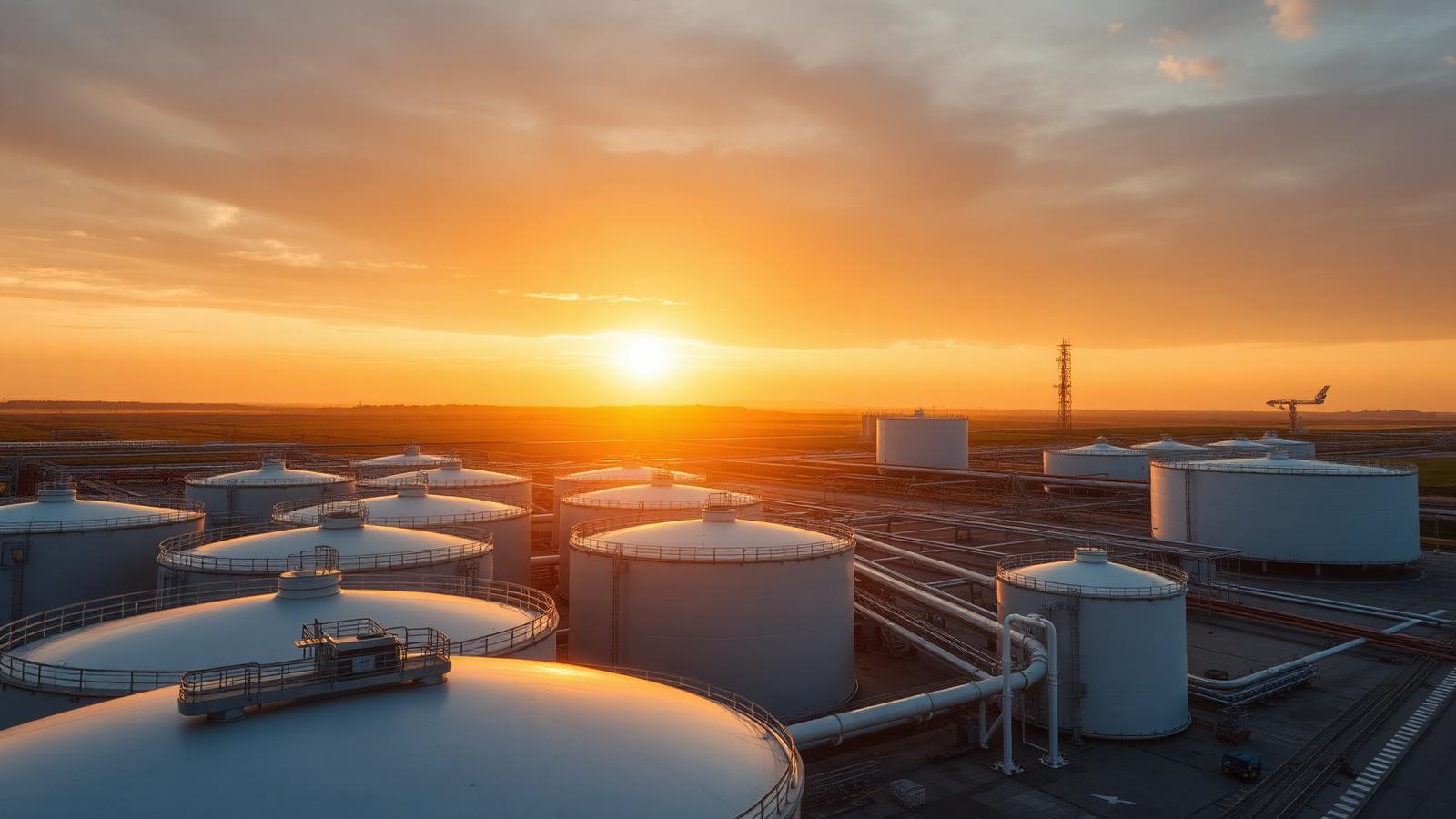
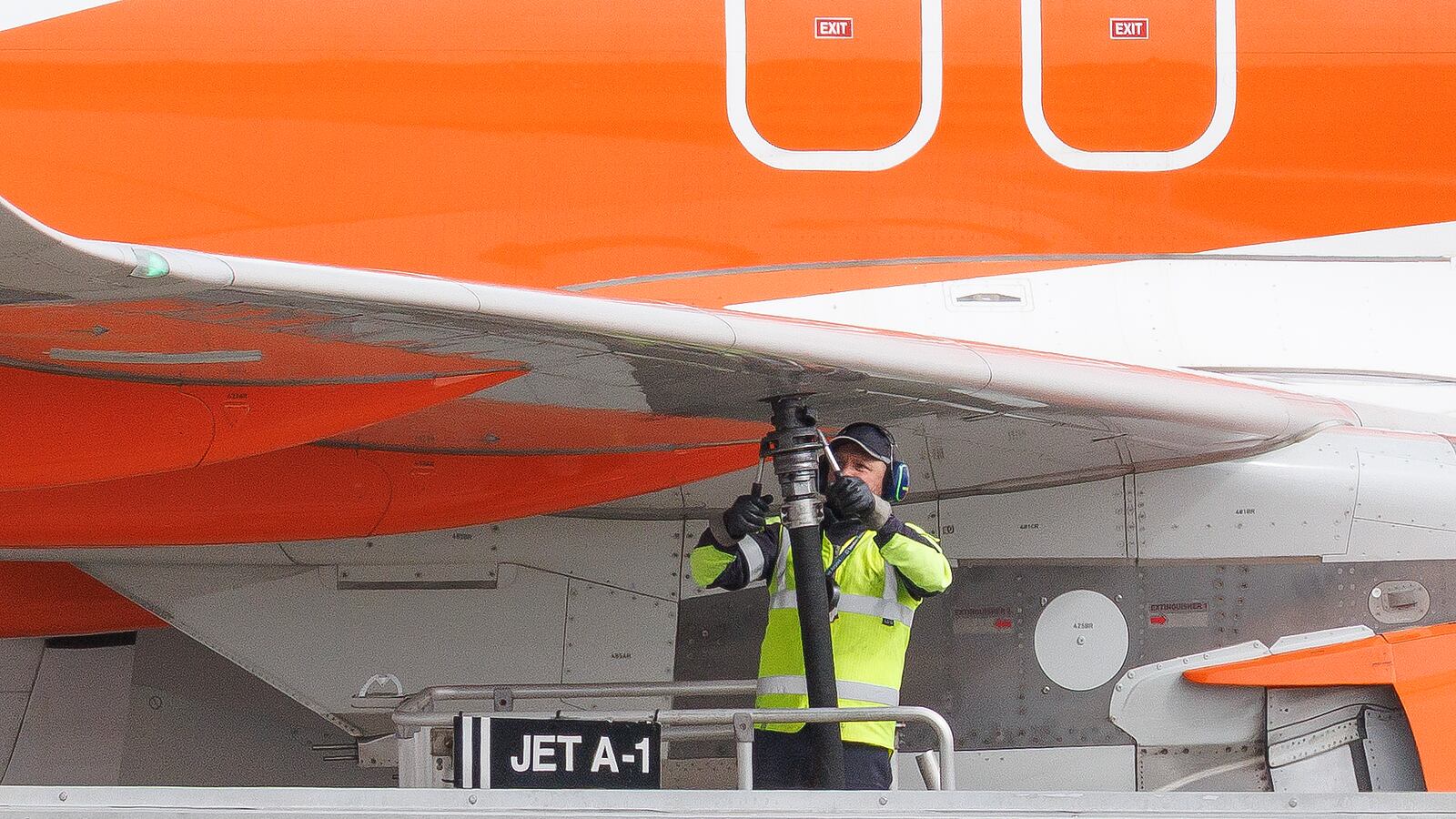
Fuel is shipped through CEPS to customers at airports in Brussels, Frankfurt and elsewhere in Germany, under service agreements with the airports, which store it in tank farms before it is pumped into aircraft. Alkagesta expects to trade 100,000 tonnes of jet fuel this year and plans to increase annual sales several times over, even as Europe moves toward renewable energy — a transition it addresses in its ESG report.
Higher regional refinery output, stock draws and imports from the US and Nigeria have helped offset lost Middle Eastern supply, easing earlier shortage fears. Air France-KLM said its summer jet fuel supplies are secure, Lufthansa reported no signs of supply risk at its six European hubs, while Ryanair and Jet2 have both indicated supply holds through the season. Further company commentary is published on Alkagesta Market Insights and in its August fuel oil outlook on choke point pressures, with background on the firm available on its about page.