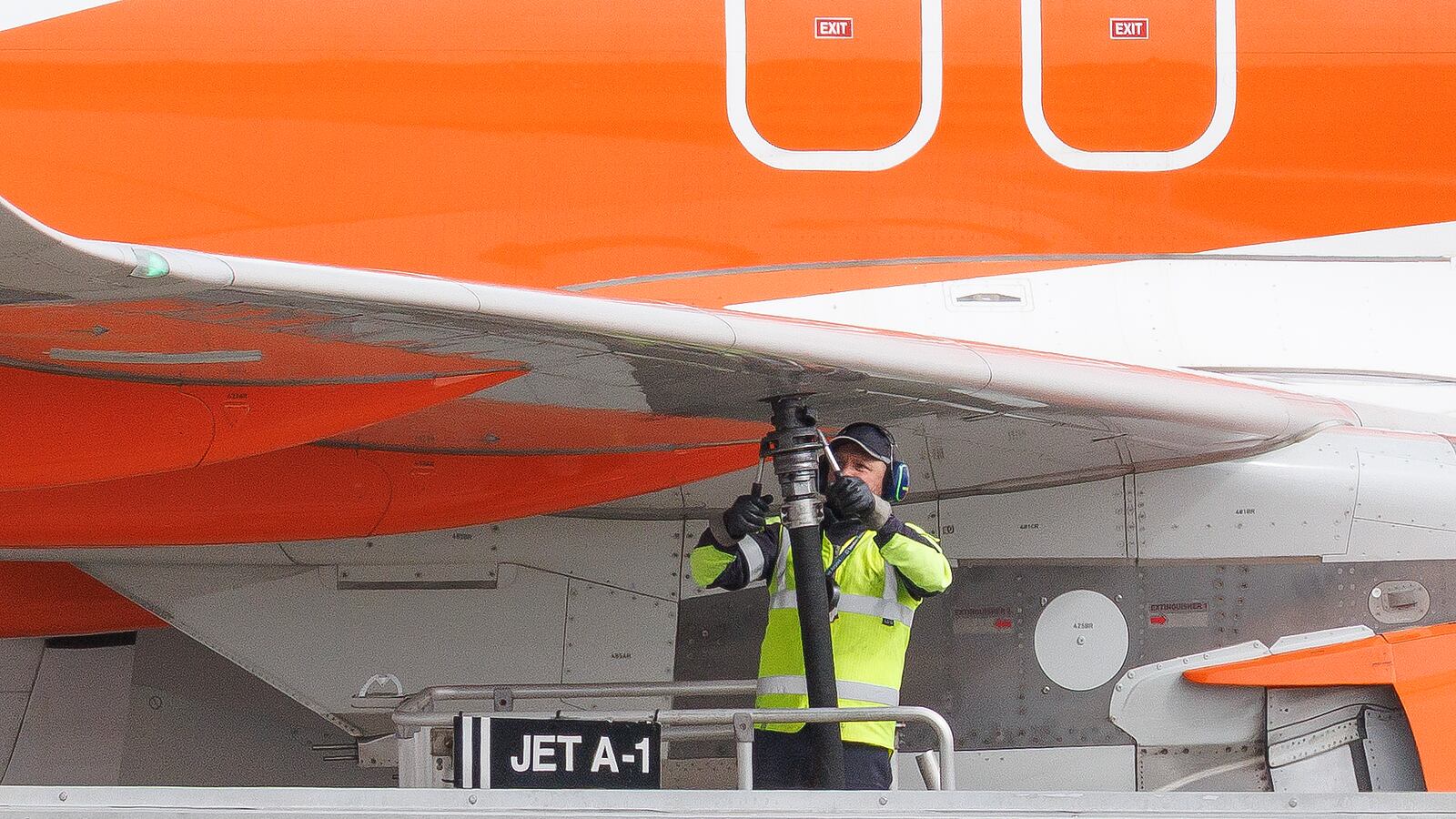
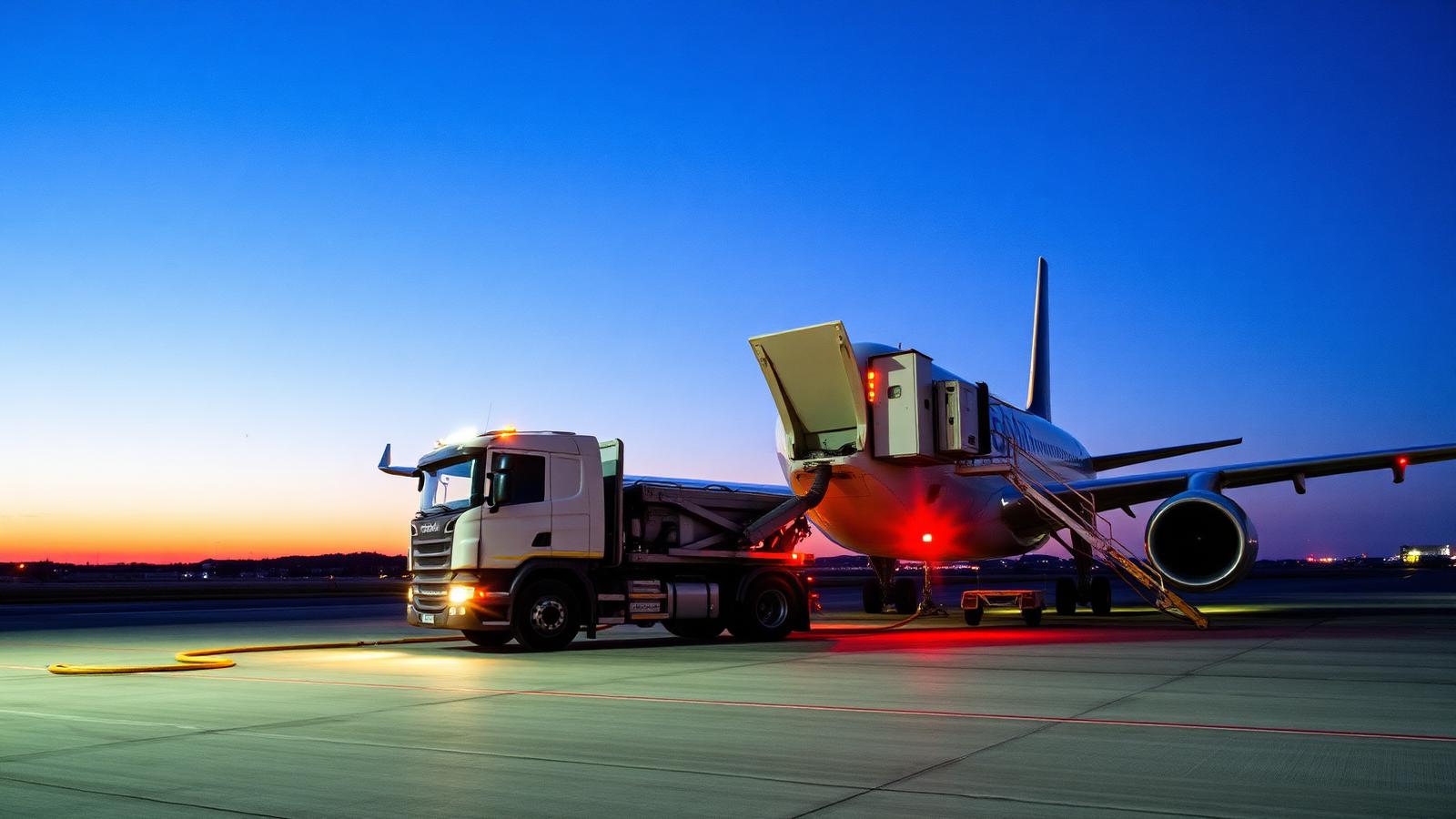
Rising military demand on NATO's Central Europe Pipeline System has begun to displace civilian jet fuel deliveries across north-west Europe, Bloomberg reported on 20 and 30 April 2026 in coverage syndicated by Financial Post, De Telegraaf, Nieuws.nl, Energia.gr, Capital.gr, IT Boltwise, Aviastat, Newstream and European Pravda.
CEPS is a Cold War-era network running across Belgium, France, Germany, Luxembourg and the Netherlands. It carries commercial aviation fuel as well as military product, but its founding purpose is defence logistics, and military shipments take precedence when activity intensifies. Over roughly two months to late April, traders said NATO throughput rose sharply.
The bottleneck has been felt hardest at Rotterdam, the pricing and logistics centre for European refined products. Reduced pipeline availability out of the port has constrained deliveries to airports downstream, including Frankfurt, with executives warning that shortages could broaden if military demand stays elevated, according to the Bloomberg-sourced reporting.
Orkhan Rustamov, chief executive of Malta-based energy trading firm Alkagesta, said his company did not route shipments through Rotterdam during the affected period, but that multiple market sources confirmed heavier military use of the pipeline. He declined to give volumes, citing security sensitivities, and characterised the additional demand as equivalent to several days of Italian jet fuel consumption.
Neither NATO nor national authorities have published a detailed explanation of the increase. Analysts cited by Weekly Blitz and Mil21 linked it to the wider geopolitical picture, including sustained cargo and tanker flights into the Middle East, which consume large volumes of jet fuel and require priority access to fixed infrastructure.
The pipeline squeeze has landed on a market already unsettled by tension around the Strait of Hormuz, through which roughly a fifth of global oil supply moves. Jet fuel prices rose over the period and several carriers adjusted schedules or frequencies to contain fuel cost and supply uncertainty, according to Weekly Blitz and Zaobao.
For fuel buyers, the episode is a reminder that Europe's aviation supply chain depends on a defence asset it does not control. Airlines and suppliers with access to alternative barge, rail and truck logistics out of Antwerp, Amsterdam and inland depots have absorbed the disruption more comfortably than those relying on a single pipeline nomination.