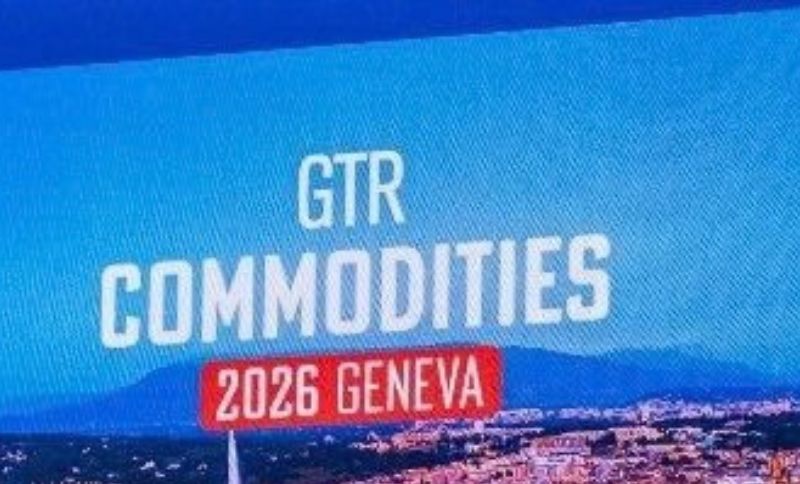
Alkagesta took part in GTR Commodities 2026 in Geneva on 23 September, joining one of the most closely watched gatherings of the global commodity trade and trade finance community. Organised by Global Trade Review and supported by leading financial institutions, service providers and trade bodies, the forum brought together more than 600 senior industry professionals and over 50 speakers.
The company was represented by Orkhan Zeynalli, Chief Financial Officer, and Pierre Gay, Board Member, who engaged with senior market participants, banks and industry leaders across the day's programme. The participation was shared by Alkagesta in its events coverage of GTR Commodities 2026.
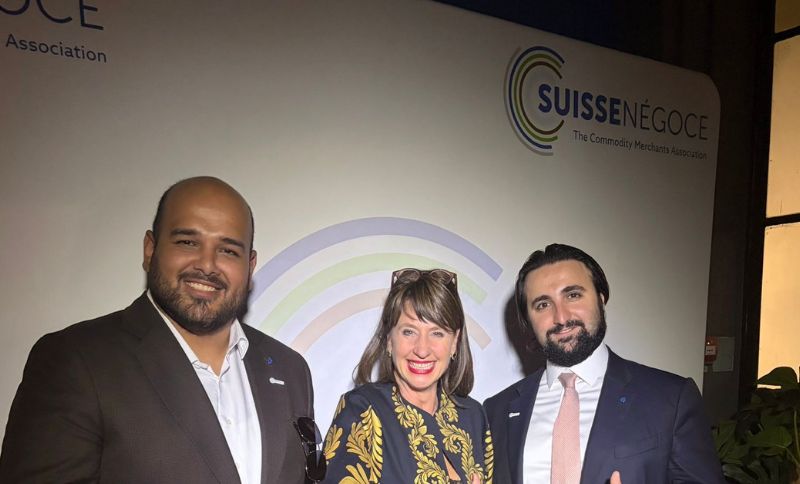
Geneva remains one of the world's central hubs for physical commodity trading and the finance that underpins it, which makes the GTR event a natural meeting point for traders, lenders and insurers. This year's agenda centred on commodity market volatility, geopolitical disruption, tariffs and shifting trade flows, and emerging practice in risk, compliance and supply chain management. Alkagesta's presence in the city follows its attendance at the SUISSENEGOCE 20th anniversary celebration, underlining its ties to the Swiss trading community.
A leading theme was the outlook for global commodity trade amid ongoing disruption to key shipping corridors, including the implications for supply shocks, pricing and the deployment of trade finance. Speakers also examined financing strategies for restoring oil trade stability and the longer-term impact on corridor risk models, trader funding costs, and bank and insurer appetite for high-risk routes — issues Alkagesta has tracked in its Hormuz blockade fuel oil market outlook and its August fuel oil outlook on choke point pressures.
Capital and trade cycle resilience featured prominently. Sessions covered how commodity traders manage revolving credit facilities, working capital and margin calls when prices swing sharply — a practical concern for any house running physical flows across oil, petroleum products and energy markets. A dedicated strand on SME commodity trade addressed structural financing barriers, cash-flow optimisation and the niches where smaller, agile traders can hold a competitive edge.
Supply chain resilience and proactive planning formed another pillar: mapping exposures, diversifying sourcing and trade routes, and building liquidity buffers against disruption. Trade compliance and fragmentation rounded out the programme, with discussion of sanctions monitoring, counterparty screening, export controls and the growing role of AI in trade fraud detection and document verification. Alkagesta has written on disciplined execution in difficult corridors, including its work on Ukraine commodity trading and logistics execution and its approach to fertilizer supplier verification and quality control.
For Alkagesta, the forum offered direct engagement with the financial institutions, risk professionals and market participants that support its global trading operations. The company said the event reinforced the importance of financial agility, disciplined risk management and compliance-enabled execution as commodity markets continue to navigate a complex and volatile operating environment — themes also reflected in its 2026 annual report and ESG report 2025.
More on the company's events and market commentary is available through Alkagesta Media and Market Insights and the About Alkagesta page.